Foto de Sharrie Shaw
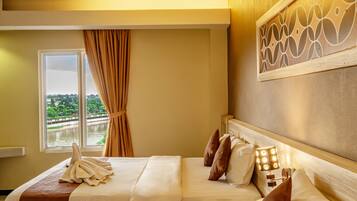
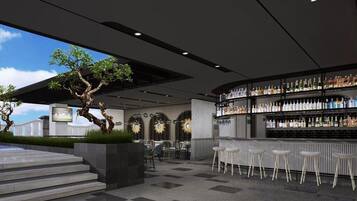
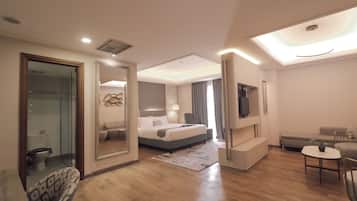
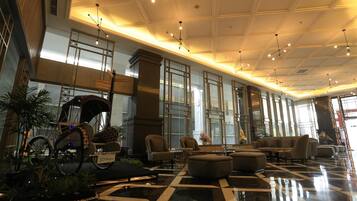
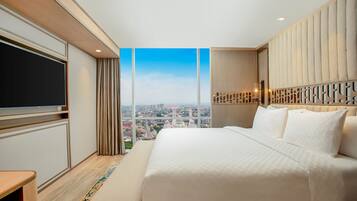
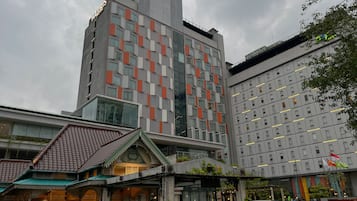
Hotéis de negócios em Surakarta
Opções de cancelamento grátis caso os planos mudem
Ganhe recompensas em todas as diárias da sua estadia
Economize mais com os Preços para Associados
Consulte os preços para estas datas
Hoje à noite
Amanhã
Este fim de semana
No próximo fim de semana
Hotéis de negócios - Surakarta
Melhores bairros - Surakarta
Centro da Cidade de Solo
O bairro de Centro da Cidade de Solo, em Surakarta, possui várias atrações que merecem uma visita, como Solo Paragon Lifestyle Mall e Parque Keprabon.
Banjarsari
O bairro de Banjarsari, em Surakarta, possui várias atrações que merecem uma visita, como Solo Paragon Lifestyle Mall e Taman Balekambang.
Principais pontos de referência - Surakarta
Solo Paragon Lifestyle Mall
Solo Paragon Lifestyle Mall, em Centro da Cidade de Solo, é o local ideal para quem adora compras.
Universitas Sebelas Maret
Interaja com os estudantes e conheça um pouco da vida acadêmica de Surakarta em Universitas Sebelas Maret, que fica a 4,3 km do centro de Surakarta.
Explore outros destinos
- Hotéis - Tawangmangu
- Hotéis - Sragen
- Hotéis baratos - Wonogiri
- Hotéis - Wonogiri
- Hotéis - Templo Candi Lumbung e arredores
- Hotéis - Museu Radya Pustaka e arredores
- Hotéis - Danar Hadi e arredores
- Hotéis - Cascata de Grojogan Sewu e arredores
- Hotéis - Candi Sewu e arredores
- Hotéis - Edifício Marba e arredores
- Hotéis com estacionamento - Boyolali
- Hotéis - Boyolali
- Hotéis - Akademi Teknik Warga e arredores
- Hotéis - Universitas Sebelas Maret e arredores
- Hotéis - Manahan
- Hotéis - Estação Solo Balapan e arredores
- Hotéis - Universitas Muhammadiyah Surakarta e arredores
- Hotéis - Wisata Bukit Sekipan e arredores
- Hotéis - Taman Balekambang e arredores
- Hotéis - Boto
- Hotéis - The Heritage Palace e arredores
- Hotéis - Laweyan
- Hotéis - Solo Square e arredores
- Hotéis - Solo Paragon Lifestyle Mall e arredores
- Hotéis - Museu Radya Pustaka e arredores
- Hotéis - Mercado Klewer e arredores
- Hotéis baratos - Klaten
- Hotéis 2 estrelas - Klaten
- Hotéis - Klaten
- Hotéis - Karanganyar
- Hotéis com academia - Surakarta
- Guesthouses - Surakarta
- Hotéis de luxo - Surakarta
- Hotéis 2 estrelas - Surakarta
- Hotéis 3 estrelas - Surakarta
- Hotéis 4 estrelas - Surakarta
- Hotéis 5 estrelas - Surakarta
- Hotéis para famílias - Surakarta
- Resorts e hotéis com spa - Surakarta
- Hotéis - Surakarta
- Hotéis com estacionamento - Baki
- Hotéis baratos - Baki
- Hotéis - Baki
- Hotéis - Colomadu
- Hotéis - Grogol
- Hotéis - Jaten
- Hotéis - Kebakkramat
- Hotéis - Ampel
- Hotéis - Nguntoronadi
- Hotéis - Banjarsari
- Hotéis - Centro da Cidade de Solo
- Hotéis - Boyolali
- Hotéis - Klaten
- Hotéis - Sukoharjo
![At the museum no photos are allowed which is really unfortunate as it was well worth the visit and the guided tour is definitely not to be missed. In the museum there are even Batik made from the Dutch era which depicts stories like Little Red Riding Hood and Snow White!
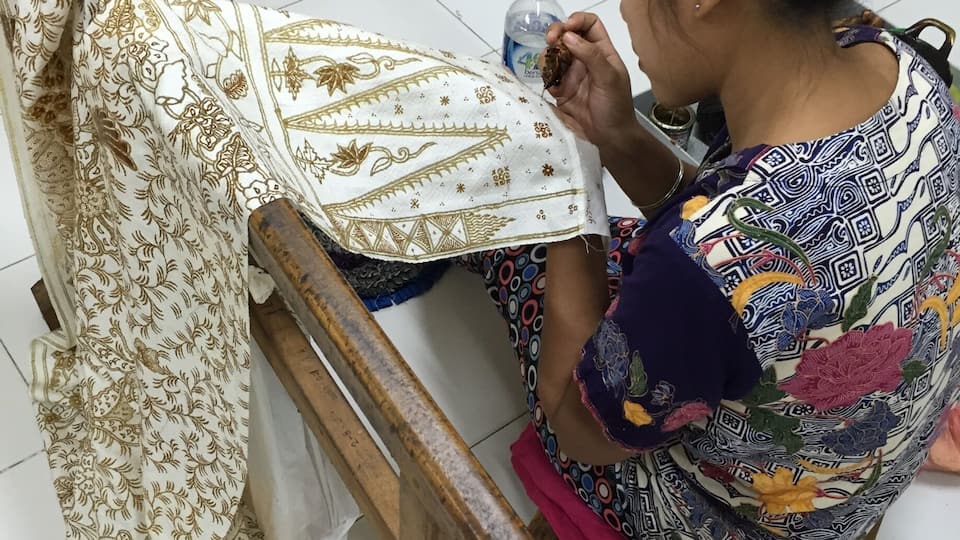
I enjoyed the tour v much and at the end of the tour we were brought to this room where the artisan were working on hand drawn batik.
Below is an excerpt from Wikipedia for anyone interested in learning more about the process of batik making.
Firstly, a cloth is washed, soaked and beaten with a large mallet. Patterns are drawn with pencil and later redrawn using hot wax, usually made from a mixture of paraffin or bees wax, sometimes mixed with plant resins, which functions as a dye-resist. The wax can be applied with a variety of tools. A pen-like instrument called a canting (IPA: [tʃantiŋ], sometimes spelled with old Dutch orthography tjanting) is the most common. A canting is made from a small copper reservoir with a spout on a wooden handle. The reservoir holds the resist which flows through the spout, creating dots and lines as it moves. For larger patterns, a stiff brush may be used. Alternatively, a copper block stamp called a cap (IPA: [tʃap]; old spelling tjap) is used to cover large areas more efficiently.
After the cloth is dry, the resist is removed by scraping or boiling the cloth. The areas treated with resist keep their original color; when the resist is removed the contrast between the dyed and undyed areas forms the pattern. This process is repeated as many times as the number of colors desired.
The most traditional type of batik, called batik tulis (written batik), is drawn using only the canting. The cloth need to be drawn on both sides and dipped in a dye bath three to four times. The whole process may take up to a year; it yields considerably finer patterns than stamped batik.
Source: Wikipedia](https://images.trvl-media.com/place/6224808/26fd1460-c65a-4c1a-9444-7a893e883ac9.jpg?impolicy=resizecrop&rw=1920&ra=fit&ch=480)