

Hotéis em Nikiski

Opções de cancelamento grátis caso os planos mudem

Ganhe recompensas em todas as diárias da sua estadia

Economize mais com os Preços para Associados
Consulte os preços para estas datas
Hoje à noite
Amanhã
Este fim de semana
No próximo fim de semana
Onde ficar em Nikiski?

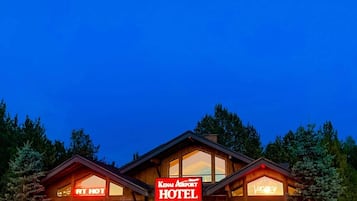
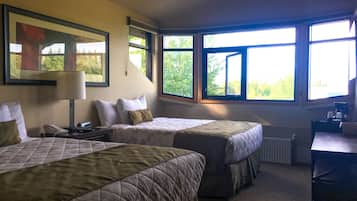

Kenai Airport Hotel
Kenai Airport HotelKenai
9.2 de 10, Maravilhosa, (331 avaliações)
O preço é de R$ 701
Total: R$ 743
inclui impostos e taxas
29 de mar. – 30 de mar.
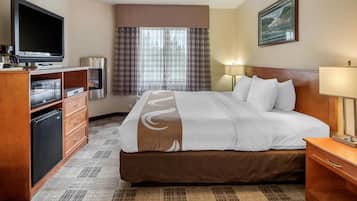
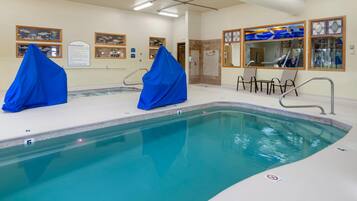

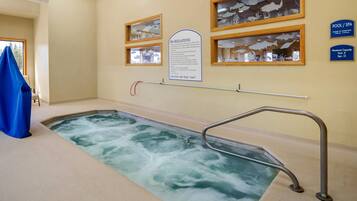
Quality Inn Kenai
Quality Inn KenaiKenai
8.4 de 10, Muito boa, (587 avaliações)
O preço é de R$ 654
Total: R$ 693
inclui impostos e taxas
2 de abr. – 3 de abr.

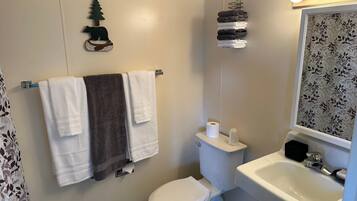
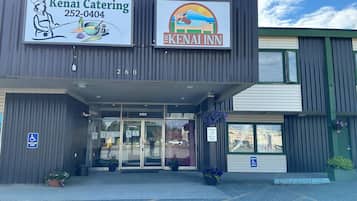

The Kenai Inn
The Kenai InnKenai
8.4 de 10, Muito boa, (49 avaliações)
O preço é de R$ 545
Total: R$ 577
inclui impostos e taxas
27 de mar. – 28 de mar.

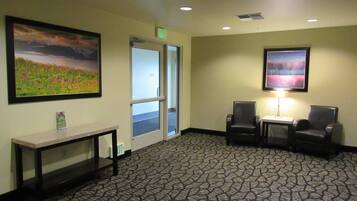


Aspen Extended Stay Suites Kenai
Aspen Extended Stay Suites KenaiKenai
9.0 de 10, Maravilhosa, (723 avaliações)
O preço é de R$ 606
Total: R$ 643
inclui impostos e taxas
16 de abr. – 17 de abr.
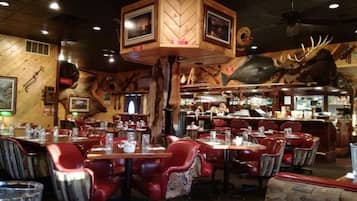
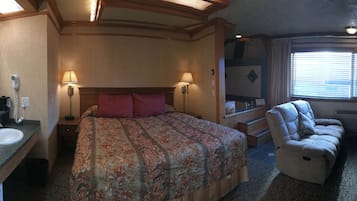


Uptown Motel Kenai
Uptown Motel KenaiKenai
8.6 de 10, Excelente, (302 avaliações)
O preço é de R$ 559
Total: R$ 593
inclui impostos e taxas
29 de mar. – 30 de mar.


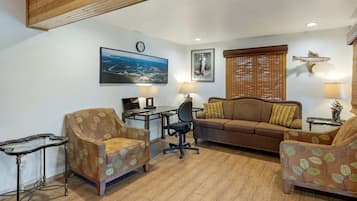

Best Western King Salmon Inn
Best Western King Salmon InnSoldotna
8.2 de 10, Muito boa, (383 avaliações)
O preço é de R$ 655
Total: R$ 720
inclui impostos e taxas
28 de mar. – 29 de mar.

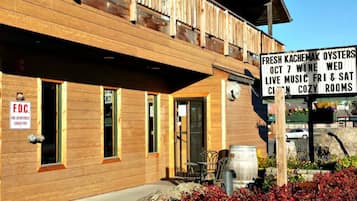

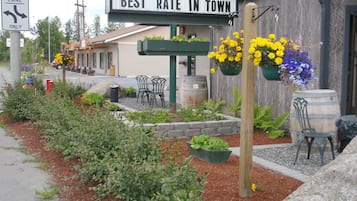
Soldotna Inn
Soldotna InnSoldotna
7.6 de 10, Boa, (539 avaliações)
O preço é de R$ 400
Total: R$ 440
inclui impostos e taxas
27 de mar. – 28 de mar.
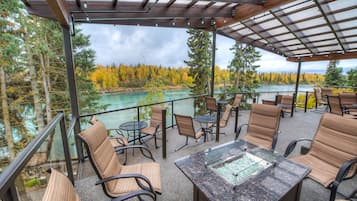
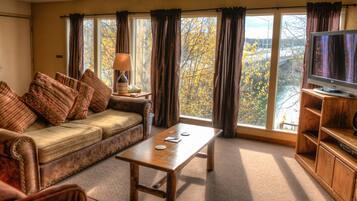
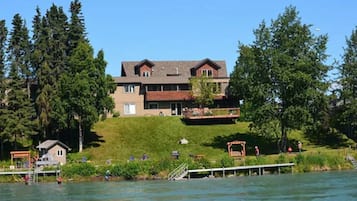
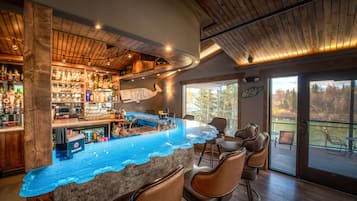
Kenai River Lodge
Kenai River LodgeSoldotna
8.4 de 10, Muito boa, (747 avaliações)
O preço é de R$ 680
Total: R$ 748
inclui impostos e taxas
27 de mar. – 28 de mar.




Comfort & Convenience! Apt in Central Soldotna
Comfort & Convenience! Apt in Central SoldotnaSoldotna
O preço é de R$ 800
Total: R$ 2.430
inclui impostos e taxas
27 de mar. – 28 de mar.


Alaska Angler's Inn
Alaska Angler's InnSoldotna
8.0 de 10, Muito boa, (306 avaliações)
O preço é de R$ 461
Total: R$ 507
inclui impostos e taxas
27 de mar. – 28 de mar.
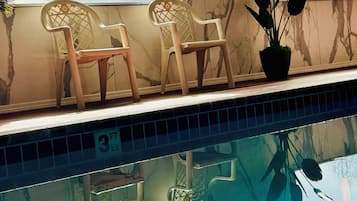


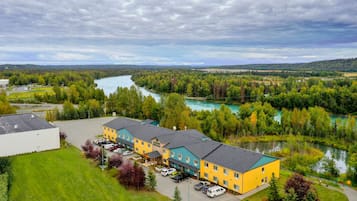
Aspen Hotel Soldotna
Aspen Hotel SoldotnaSoldotna
8.6 de 10, Excelente, (813 avaliações)
O preço é de R$ 651
Total: R$ 717
inclui impostos e taxas
16 de abr. – 17 de abr.


Southern Bluff B&B
Southern Bluff B&BSoldotna
10.0 de 10, Extraordinária, (46 avaliações)
O preço é de R$ 706
Total: R$ 738
inclui impostos e taxas
21 de abr. – 22 de abr.
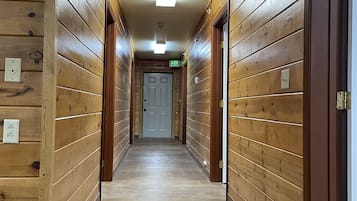

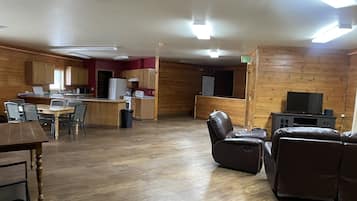
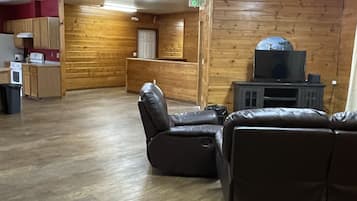
Soldotna Lodge
Soldotna LodgeSoldotna
6.0 de 10, (37 avaliações)
O preço é de R$ 397
Total: R$ 409
inclui impostos e taxas
27 de mar. – 28 de mar.


ALASKA LAKE and LODGE AT LONGMERE
ALASKA LAKE and LODGE AT LONGMERESoldotna
8.4 de 10, Muito boa, (26 avaliações)
O preço é de R$ 969
Total: R$ 998
inclui impostos e taxas
25 de abr. – 26 de abr.
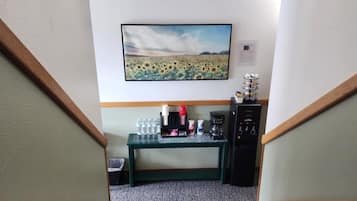
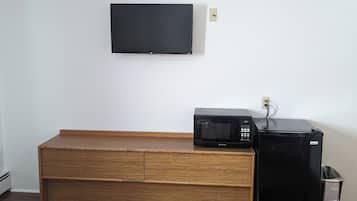


The Hibernation Station
The Hibernation StationSterling
9.2 de 10, Maravilhosa, (48 avaliações)
O preço é de R$ 400
Total: R$ 412
inclui impostos e taxas
27 de mar. – 28 de mar.
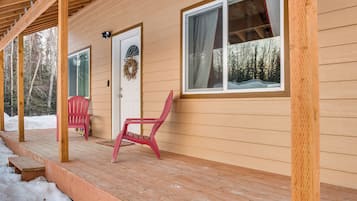
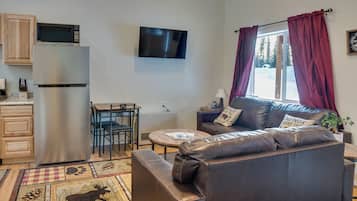
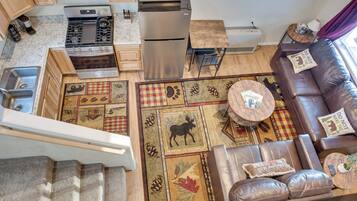
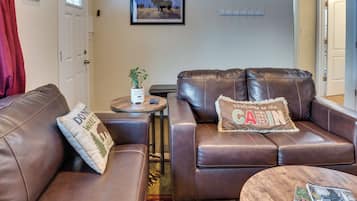
Soldotna Vacation Rental ~ 8 Mi to Kenai River!
Soldotna Vacation Rental ~ 8 Mi to Kenai River!Soldotna
10.0 de 10, Extraordinária, (2 avaliações)
O preço é de R$ 460
Total: R$ 1.607
inclui impostos e taxas
29 de mar. – 30 de mar.


Cozy Soldotna Vacation Rental Near Kenai River!
Cozy Soldotna Vacation Rental Near Kenai River!Soldotna
O preço é de R$ 513
Total: R$ 1.661
inclui impostos e taxas
31 de mar. – 1 de abr.

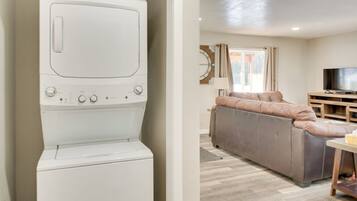
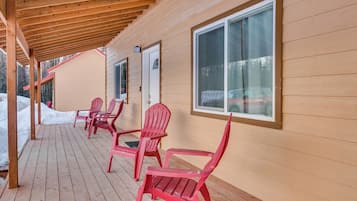

Soldotna Vacation Rental Near Fishing & Hiking!
Soldotna Vacation Rental Near Fishing & Hiking!Soldotna
O preço é de R$ 434
Total: R$ 1.580
inclui impostos e taxas
31 de mar. – 1 de abr.
Preço mais baixo por diária encontrado nas últimas 24 horas, com base em uma estadia de 1 diária para 2 adultos. Os preços e a disponibilidade estão sujeitos a alterações. Termos adicionais se aplicam.
Busque um toque a mais na sua estadia em Nikiski
Aceita animais
Para famílias
Nikiski - principais pontos de referência
Mais informações sobre Nikiski
Nikiski é um destino conhecido por suas atrações, que incluem Cabin Lake e Kenai National Wildlife Refuge. Em meio a muita paz e tranquilidade, a cidade oferece atrações para todos os gostos como Island Lake e Bernice Lake.
![The Arctic Circle is one of the five major circles of latitude that mark maps of the Earth. As of 16 February 2015, it runs 66°33′45.6″ north of the Equator.
The region north of this circle is known as the Arctic, and the zone just to the south is called the Northern Temperate Zone. The equivalent polar circle in the Southern Hemisphere is called the Antarctic Circle.
The Arctic Circle is the southernmost latitude in the Northern Hemisphere at which the sun can remain continuously above or below the horizon for 24 hours (at the June solstice and December solstice respectively). North of the Arctic Circle, the sun is above the horizon for 24 continuous hours at least once per year (and therefore visible at midnight) and below the horizon for 24 continuous hours at least once per year (and therefore not visible at noon). On the Arctic Circle those events occur, in principle, exactly once per year, at the June and December solstices, respectively. However, in practice, because of atmospheric refraction and mirages, and because the sun appears as a disk and not a point, part of the midnight sun may be seen on the night of the northern summer solstice up to about 50′ (90 km (56 mi)) south of the Arctic Circle; similarly, on the day of the northern winter solstice, part of the sun may be seen up to about 50′ north of the Arctic Circle. That is true at sea level; those limits increase with elevation above sea level, although in mountainous regions there is often no direct view of the true horizon.
The position of the Arctic Circle is not fixed. It directly depends on the Earth's axial tilt, which fluctuates within a margin of 2° over a 40,000-year period,[2] notably due to tidal forces resulting from the orbit of the Moon. The Arctic Circle is currently drifting northwards at a speed of about 15 m (49 ft) per year; see Circle of latitude for more information.
#snow](https://images.trvl-media.com/place/6140564/a9f9449e-bab4-40a6-a9a1-5356b0cc2aa8.jpg?impolicy=fcrop&w=900&h=675&p=1&q=high)
Foto de Sharrie Shaw
Foto grátis de Sharrie Shaw
Confira avaliações dos hotéis que os hóspedes adoram - Nikiski
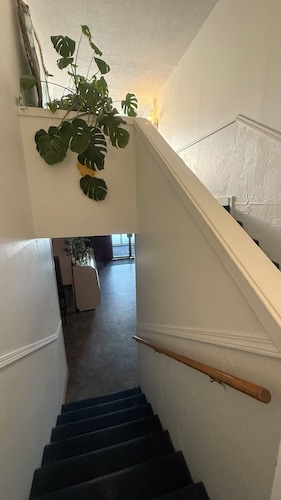
The Kenai Inn
8/10 Bom
Perguntas frequentes
Explore outros destinos
- Hotéis - North Pennisula Recreation Center e arredores
- Hotéis - Phormation Chiropractic & Day Spa e arredores
- Hotéis - Alaskan Angling Adventures LLC. e arredores
- Hotéis - Prince William Sound e arredores
- Hotéis - Eagle and Symphony Lakes e arredores
- Hotéis - Happy Valley
- Hotéis - Cohoe
- Hotéis - Ridgeway
- Hotéis - Funny River
- Hotéis - Sterling
- Hotéis - Clam Gulch
- Hotéis com estacionamento - Kenai
- Hotéis - Kenai
- Hotéis - Aeroporto Internacional Ted Stevens de Anchorage e arredores
- Hotéis - Kasilof
- Hotéis para quem viaja com animais de estimação - Cooper Landing
- Hotéis para famílias - Cooper Landing
- Hotéis - Cooper Landing
- Hotéis - Soldotna
- Hotéis - Alaska Aviation Heritage Museum e arredores
- Hotéis - H2Oasis Indoor Waterpark e arredores
- Hotéis - Kincaid Park e arredores
- Hotéis - Lake Hood Harbor e arredores
- Hotéis - Aeroporto Municipal de Kenai e arredores
- Hotéis - Soldotna e arredores
- Hotéis - Challenger Learning Center e arredores
- Hotéis - Ninilchik State Recreation Area e arredores
- Hotéis - Resurrection Pass Trailhead e arredores
- Hotéis - Old Seward - Oceanview
- Hotéis - Turnagain
- Hotéis - Sand Lake
- Hotéis - Borough da Península Kenai